






Paper Coffee Cups vs Plastic Cups: Which Is Better?
In many cases, especially those concerning hot and cold drinks, coffee cups are of larger concern than what many realize. In cafés, restaurants, and even office setups, coffee cups come into play. There is always concern regarding plastic coffee cups versus paper coffee cups. Even though both are very commonly found, both vary vastly in many respects, including environmental impact, usability, and even brands.
In this blog, we’ll compare paper coffee cups and plastic cups to determine which option is better overall.
1. Environmental Impact
Paper Coffee Cups
Paper coffee cups are often perceived as the more eco-friendly option because they are made from renewable resources like trees. However, most paper cups are lined with a thin layer of plastic or wax to prevent leaks, which makes them difficult to recycle. Despite this limitation, paper cups generally decompose faster than plastic and are less harmful if they end up in landfills.
Some manufacturers now offer compostable paper cups with plant-based linings, which further reduce environmental damage. When responsibly sourced and disposed of, paper cups can be part of a more sustainable solution.
Plastic Cups
Plastic cups are mostly made out of petroleum, based materials like polypropylene or polystyrene. These materials are non, biodegradable and can take several hundred years to decompose. Plastic waste is one of the main sources of pollution, particularly in oceans and animal habitats.
While plastic cups are recyclable, a significant number of them are not recycled because of contamination or the absence of appropriate recycling facilities. Therefore, plastic cups usually have a higher environmental impact than paper coffee cups.
2. Heat Resistance and Safety
Paper Coffee Cups
Paper cups are particularly suited for hot liquids such as coffee, tea, or hot chocolate. They commonly have insulation or double-walled components that protect users from the hot substance when their hands come into contact with the cup. Paper cups do not contain any toxic materials that might be leached when the substance is hot.
Plastic Cups
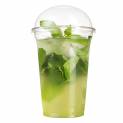
Plastic cups work better with cold drinks. When exposed to hot liquids, some plastics can warp, melt, or even release chemicals. This can cause health hazards and can also alter the taste of the drink.
3. Durability and Functionality
Paper Coffee Cups
Paper cups are sturdy enough for hot drinks but may soften over time, especially if held for long periods. High-quality paper cups with strong linings reduce the risk of leaks and spills. They are ideal for single-use scenarios such as takeaways and events.
Plastic Cups
Plastic cups are more durable and resistant to cracking or soaking. They are commonly used for cold drinks like iced coffee, smoothies, and soft drinks. Plastic cups maintain their shape longer and are less likely to leak.
4. Cost Considerations
Paper Coffee Cups
Paper coffee cups are generally a little pricey compared to plastic cups, but if they also involve insulation materials, eco-friendly materials, and so on, they are costlier. But buying them in bulk helps cut down the cost largely. Mostly, establishments find them costly but worthwhile.
Plastic Cups
Plastic cups are less expensive in terms of production and procurement. Their cost-effectiveness makes them attractive for large functions or for the commercial sale of beverages in large quantities. However, environmental laws and plastic bans could make them costlier or even inaccessible in some zones.
5. Branding and Customer Perception
Paper Coffee Cups
Paper coffee cups provide very good branding opportunities. They are convenient for printing and give the added advantage of being eco-friendly. Customers can associate the use of paper coffee cups with quality and care for the environment. For Sweet Flavor and similar businesses, the use of paper coffee cups can be considered for creating a positive brand image.
Plastic Cups
Plastic cups are transparent and can be very alluring to present colorful drinks with. However, they are considered less environmentally friendly. Excessive plastic use may have negative effects in today's environmentally conscious consumer market.
6. Recycling and Waste Management
Paper Coffee Cups
Even though not all paper cups are recyclable, cities are improving their procedures for paper cup recycling. Compostable paper cups can also be disposed of in organic trash.
Plastic Cups
Plastic cups can, in theory, be recycled, but they often end up in the trash. The lightweight plastic cup tends to go out of the trash streams.
Final Verdict: Which Is Better?
Whether to use paper coffee cups or plastic cups depends on the usage and priorities. Plastic cups are long lasting and cheap; they are best used in containing cold drinks. However, paper coffee cups are remarkable in terms of hot drinks, safety, marketing, and environmental issues respectively.
For businesses looking to make a positive impact on the planet and appeal to the environmentally conscious consumer, paper cups will prove to be the better alternative. Companies such as Sweet Flavor will benefit from the use of paper cups as they will look to have their packaging aligned to the goals of being green while still offering the best possible experience to the consumer.
Conclusion
While both paper and plastic cups have their place, the growing focus on sustainability and health makes paper coffee cups the preferred option in most situations. As consumers become more aware of environmental issues, choosing paper over plastic is not just a packaging decision, it’s a statement about responsibility and values.